Auto glass work lives at the intersection of materials science and real-life scheduling. The resin and adhesives behave differently at 7 a.m. than they do at 3 p.m., and your weekday commute has a rhythm that either helps or hurts a repair plan. After years of booking and performing windshield chip repair and full auto glass replacement jobs across different seasons, I’ve learned that “the best time of day” isn’t a single answer. It’s a mix of temperature, humidity, sunlight, your schedule, and the type of service your car needs. Get those variables aligned, and the repair goes faster, bonds better, and stays trouble-free.
Why timing matters more than most people think
A windshield is a structural component. The urethane adhesive that bonds it to the vehicle body is engineered to cure within a specific window of temperature and humidity. The same goes for the resin in a windshield chip repair. If you aim for an appointment during the sweet spot for conditions, the materials flow and cure as designed, the glass seats perfectly, and you avoid annoying come-backs like wind noise, minor leaks, or a repair scar that’s more visible than it should be.
In the real world, perfect conditions are rare. Shops and mobile techs build workarounds with canopies, heaters, UV lamps, and climate-controlled bays. Those tools widen the window, but they don’t eliminate the physics. A smart time choice still makes everything easier, especially if you’re scheduling mobile service at home or at work.
What the materials want
Let’s start car window replacement Alleghany County with the science that quietly dictates the calendar on your phone. Urethane adhesives used for windshield replacement typically list an optimal working temperature range, often around 50 to 90 degrees Fahrenheit. Some premium formulas stretch that range, but cure time and final strength still move with the weather. Humidity plays a role too. Urethane is moisture-curing, which means a moderate level of ambient humidity helps it set. Higher humidity usually speeds the cure, while very low humidity slows it down.
Resin for windshield chip repair reacts to UV light. Warm glass and bright light can help the resin flow into the micro-cracks before it cures. Too hot, and the resin skins over too fast or bubbles form. Too cold, and it becomes slow and stubborn, making it harder to fill the crack tips that matter most for strength.
There’s also the glass itself. Temperature swings expand and contract a windshield. If you repair a long crack when the glass is blazing hot, tension changes as it cools can expose the limits of the repair. If you bond a new windshield in freezing air with a low-temp adhesive, you may be stuck with extended safe drive-away times and a higher chance of a bond that remains vulnerable for longer.
Morning, midday, or afternoon: the practical differences
Mornings are usually friendliest to the materials. In most climates, the air is cooler, humidity is moderate, and the glass hasn’t dialed up to frying pan temperatures from sitting in full sun. This is especially helpful for windshield chip repair, where you want controlled warmth, not scorching heat, and for auto glass replacement, where a steady cure beats extremes. If you can swing a morning slot, you generally get a calmer environment and fewer variables.
Midday boosts UV and heat. For chip repair, this can be a mixed blessing. On a mild day, the resin flows nicely and cures briskly with UV lamps. On a blazing summer day, the glass can reach 120 to 160 degrees on the surface. At those temps, resin can flash and trap bubbles, and a small chip near the edge can spider if the glass is already under stress. Technicians mitigate this with shade, cool down time, and careful staging, but it takes more finesse.
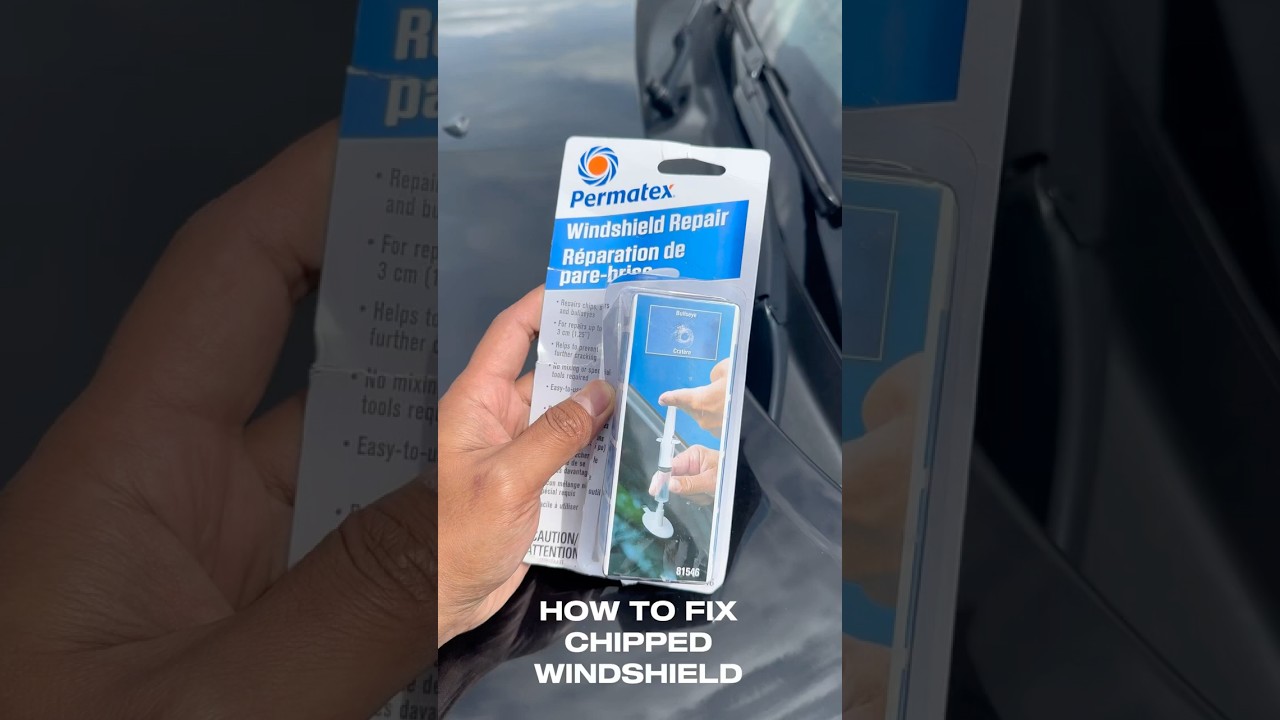
Late afternoon can be excellent in hot climates as the sun drops and the glass cools. In winter, late afternoon can turn chilly fast, which extends cure times for auto glass replacement adhesives and slows chip repair resin flow. If your installer has a controlled bay, late afternoon is often fine. For driveway or office park repairs, you need to consider falling temperatures and fading light.
The best time by service type
Windshield chip repair and full auto glass replacement might happen in the same parking lot, yet they prefer different lanes on the clock.
- For windshield chip repair: Aim for mid-morning on a mild day. The glass is warm enough to cooperate, but not too hot. If summer is in full swing, request shade or a canopy and ask your tech to cool the glass if it’s been baking. In winter, a heated bay or at least a sheltered spot makes mid-morning ideal because the air has warmed a bit from sunrise without the late-day chill. For auto glass replacement: Early to mid-morning is consistently reliable. You give the urethane the full day to cure within its optimal temperature window, which shortens safe drive-away times and reduces the urge to rush back onto the highway. In hot climates, mid to late afternoon can work well if the shop is climate controlled, but for mobile jobs, the earlier start gives you more margin in case the weather shifts.
These are guidelines, not rules. An experienced technician adapts. Still, you’ll notice many shops block their schedules with heavier replacement work early and save lighter chip repairs for late morning or early afternoon. There’s a reason for that cadence.
Real-world examples that illustrate the trade-offs
In Phoenix, a summer chip repair at noon is asking for extra steps. I once measured a dark dashboard at 170 degrees after an hour in the sun. The windshield was cooler, but not by much. We moved the car into shade, let the glass breathe for fifteen minutes, and then proceeded. The resin flowed without boiling, and the final appearance was better than it would have been under direct midday sun. If that same job was booked for 9 a.m., the whole process would have been simpler.
In Minneapolis in January, I prefer a shop bay for any auto glass replacement and book it in the first half of the day. Even with cold-weather urethane, the cure benefits from the extra daytime hours. A 2 p.m. appointment means a colder walk to the car and a longer safe drive-away time in subfreezing air. Morning gives the adhesive time to build strength before the evening lows arrive.
For coastal areas with foggy mornings, humidity sometimes peaks before lunch. High humidity can speed cure, which sounds good, but it also affects surface prep. Wiping and priming require dry glass and clean pinch welds. I’ve had better luck booking fog-prone mornings for chip repair under a canopy, then scheduling replacements a bit later, after the fog lifts and the surfaces are bone-dry.
Safe drive-away time and why earlier is kinder
When you replace a windshield, shops provide a safe drive-away time. That’s the minimum time the urethane needs to reach a baseline strength so the airbags and roof structure get the support they’re designed for in a crash. Depending on the product and conditions, that time can range from about 30 minutes to a few hours. Heat and humidity speed it up. Cold and dry air slow it down. If you book a morning appointment, even a conservative cure time leaves daylight to spare. Afternoon slots can be fine, but they collapse your margin if traffic is heavy or temps drop sharply.
For chip repair, there’s no drive-away restriction in the same sense, but the resin still needs to finish curing and stabilize. UV lamps cure resin quickly, yet I avoid washing the car or blasting the defroster on max heat immediately after. Again, earlier appointments simply give everything time to settle.
How weather and season shift the “best” hour
The calendar changes the rules. Summer expands the window but adds heat management. Winter shrinks the window for outdoor work and puts more pressure on mornings for timely cures.
Hot and sunny: Schedule earlier, and ask for shade during chip repair. If the car has been parked in full sun, crack the doors and let the heat bleed off the cabin so the glass cools a touch. For replacements, earlier is still better. The urethane likes warm, not blistering, and the technician can work more comfortably, which usually translates to cleaner prep and better bead control.
Cold and dry: If you don’t have access to a heated bay, aim for late morning to early afternoon. Let the ambient temperature rise a few degrees. Watch the wind, because cold wind steals heat from the glass faster than still air. If a shop can keep the car inside for the cure, the actual appointment time becomes more flexible.
Rainy or humid: Chip repair can work under a canopy, and a technician can evacuate moisture from a chip, but it adds steps and time. Auto glass replacement hates water during prep. The pinch weld needs to be clean and dry before priming and bonding. If the forecast calls for steady rain, rescheduling or moving indoors is smart, regardless of the hour.
Mobile service vs. shop appointments
Mobile technicians have become adept at managing the elements. They bring UV lamps, canopies, glass coolers or warmers, and the right adhesive for the day’s forecast. Even so, a fixed shop with climate control is the great equalizer. If your schedule is tight or the weather is unpredictable, a shop bay is worth the short drive.
Mobile chip repair thrives in the morning shade of a driveway or office parking lot. Mobile replacement tends to land earlier as well, partly for curing windows and partly to avoid the afternoon heat that wears down both adhesive and technician. If a mobile crew offers you a choice, pick a slot that puts the sun behind a building or under a tree canopy, but avoid resin-drenching sap or heavy pollen that can complicate prep.
Traffic, work, and safety windows
Scheduling isn’t only about chemistry. It’s also about you. A windshield replacement locks your car in place for a defined period. Plan around school runs, meetings, and any appointment that would tempt you to hop in the car before you should. I tell customers to look for a two to four hour window on their calendars where the vehicle can sit undisturbed after we finish. That might mean booking for 8:30 a.m. at home, then working remotely until lunch. Or it could mean a 10 a.m. slot at the office, with the car off-limits until mid-afternoon.
Chip repairs are faster, often 30 to 60 minutes, but I still prefer a buffer. If you must choose between a tight midday squeeze or a relaxed morning, take the morning. The technician works with less pressure, and the repair quality benefits.
The sunlight factor few people consider
Direct sun is both friend and foe. UV helps cure chip repair resin, but most techs bring UV lamps anyway, so sunlight is optional. Heat from sun can make the difference between the resin sinking deep into a tight star break or skating over the top. I often shade the glass, let the temperature stabilize, then do the injection to ensure full penetration before curing. For replacements, direct sun on a dark dashboard bakes the lower edge of the glass, which is exactly where the urethane sits. If the car arrives with that lower edge superheated, we may cool the area with gentle airflow before seating the glass so the adhesive doesn’t skin too quickly at the bead interface.
If your only available appointment is midday, try to park early in a shaded spot, then leave the car in that shade for the repair. Small moves like this make a large difference in consistency.
ADAS calibrations and how they complicate time of day
Many late-model vehicles need an ADAS calibration after a windshield replacement. Static calibrations happen in a controlled bay with targets and exact measurements. Dynamic calibrations usually require a road drive at specific speeds on well-marked roads. The best time to perform a dynamic calibration is when traffic is steady enough to maintain speed but not so heavy that you’re constantly braking. Late morning or early afternoon often works better than rush hour. Rain, low sun angles that create glare, and heavy shadows can also reduce reliability. If your vehicle needs calibration, consider how the test drive fits into the day. A 4 p.m. replacement might push the calibration into peak traffic or fading light, which means rescheduling the calibration or spending longer on the road.
Choosing the right slot when you can’t choose the weather
You don’t always get ideal conditions. Maybe a crack is growing and you need auto glass repair now, or your only free time is a lunch break. A few practical adjustments help you get the most out of a less-than-perfect time.
- If it’s hot and you’re booked at noon, ask the shop to stage in shade, pop the doors to release cabin heat, and allow a cool-down before resin injection or bonding. If it’s cold and late in the day, confirm the adhesive type and safe drive-away time, and arrange to leave the car parked longer than the minimum. If it’s damp, insist on dry surfaces for replacement, even if it adds setup time for canopies or moving indoors. If traffic is unavoidable after replacement, plan a slower route home that avoids high speeds and hard stops, even for just the first hour.
These small decisions stack up to a cleaner result and fewer issues later.
How shop schedules reveal the best time
If you want a simple trick, ask the scheduler when their lead techs prefer to do replacement work. Most will say morning. Ask when appearance-critical chip repairs tend to look the best, and you’ll usually hear mid-morning or early afternoon unless the day is extremely hot. Shops learn from thousands of jobs where the curve of temperature and humidity lands in their city. Trust that local pattern more than any generic rule.
When you call, provide details: where you park, whether shade is available, if the glass has been in the sun, and how long you can leave the vehicle after the work is done. Mention ADAS if your car has camera-based driver assistance. With that context, a good scheduler will steer you to the best hour.
Common myths about timing, corrected
People often assume noon is best because there’s more light. That’s only sometimes true. Noon is also when panels and dashboards cook, which complicates both chip repair and bonding. Likewise, some believe late afternoon is safest because you can drive home after. If the outside temp drops fast after sunset, your cure window stretches and your margin shrinks. When in doubt, choose earlier and leave time for the work to rest.
Another myth says any windshield chip repair is fine anytime, because it’s quick. Quick doesn’t mean conditions don’t matter. A rushed midday repair on overheated glass often leaves a larger optical scar and more risk of the chip spreading. I’ve fixed plenty of noon problems that a 10 a.m. slot would have prevented.
How insurance and fleet schedules angle the clock
Insurance-driven repairs often come with approved vendors and mobile appointments during work hours. If you manage a fleet, you probably try to line up multiple vehicles back to back. In both cases, I recommend starting the block early, not after lunch. Techs working in sequence handle the toughest replacement first, then finish the lighter chip repairs as the day warms up. That pacing improves quality and turnaround.
Personal insurance claims for auto glass replacement also benefit from morning slots because claims adjusters and vendor dispatchers are easier to reach if anything needs authorization or part confirmation. If the replacement includes rain sensors, heated glass, or specific camera brackets, you want extra time cushion for any surprises.
The role of preparation, regardless of hour
Strong preparation softens the edges of a suboptimal time. Remove clutter from the dashboard, confirm the wipers are accessible, and park in a spot that the technician can access with a canopy or extension cord if they need powered tools or UV lamps. If you’ve been using a defroster on high, let the glass settle to ambient before the appointment. Wipe off heavy dew if possible, or at least plan for extra time to dry the surfaces thoroughly.
These steps don’t change the weather, but they put the materials and the tech in a better position to deliver a clean result whether it’s 9 a.m. or 2:30 p.m.
When to break the rules
Every rule has exceptions. In desert climates during cooler months, a sunny midday chip repair can be outstanding, with perfect resin flow and crisp cures. In a state-of-the-art shop with climate control, the “best time” is simply “when the bay is free” because the environment stays within a tight band all day. If a crack is spreading and you’re a day away from a long drive, the best time is the earliest available slot, even if it’s not ideal, because waiting can turn a simple windshield chip repair into a full replacement.
A simple way to choose your time
If you want a single, reliable guideline, choose early to mid-morning for both windshield chip repair and auto glass replacement whenever you can. If your climate is severe or your schedule is rigid, prioritize a controlled environment over the perfect hour. And when the only option is a hot midday or a cold late afternoon, communicate with your technician. Describe where the car sits, how long you can leave it, and any upcoming drives. Pros can usually tweak process and product choice to fit the hour.
Final thoughts from the service bay
The best time of day is not just a convenience play. It shapes how the resin fills a chip, how the urethane sets, and how confident you feel pointing the car toward the freeway when you leave. Morning brings a smoother runway for most conditions, especially for structural work like a windshield replacement. Mid-morning treats chip repairs kindly, balancing mild warmth and manageable light. Afternoons have their place, particularly in shops, and in hot regions they can be the sweet spot once the worst heat fades.
The goal is a repair that vanishes into your day, not one that fights it. Pick a time that favors the materials and your schedule, and tell your technician what the car has been through before they arrive. With a little planning, auto glass repair becomes the least dramatic thing that happens to your car this month, which is exactly how it should be.